

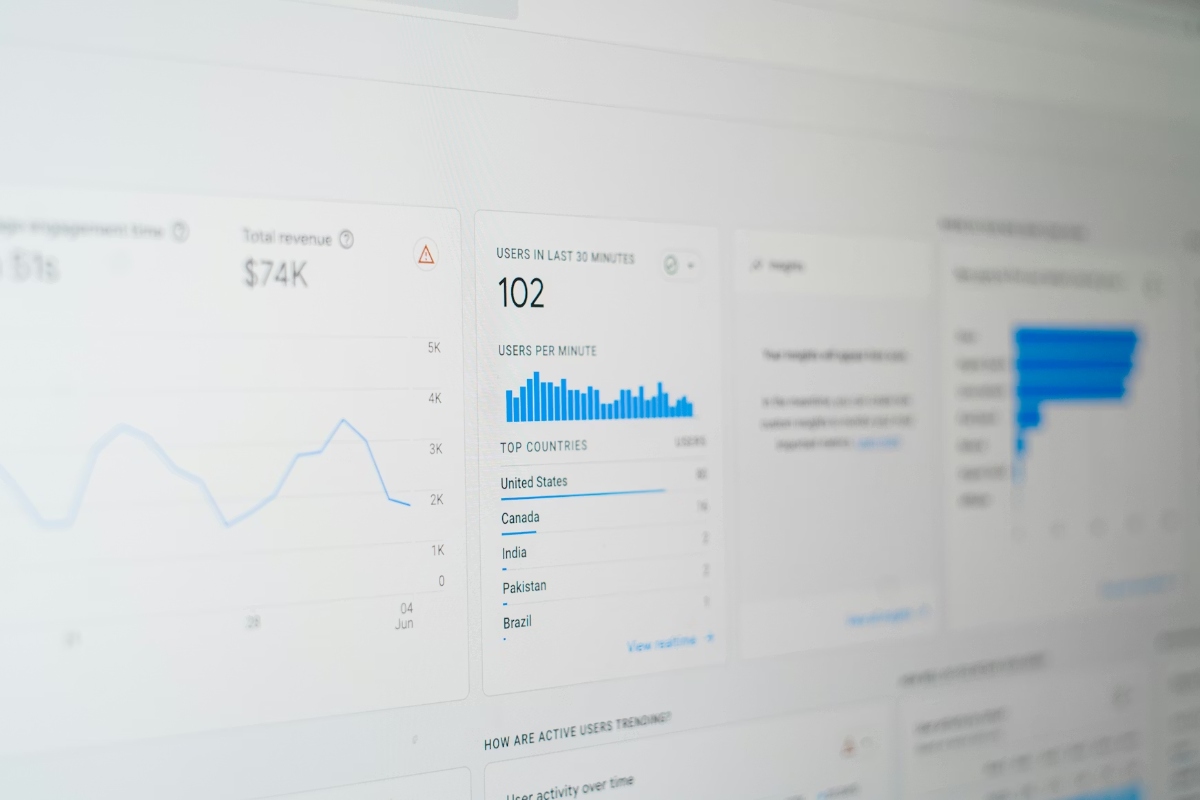
If you’ve noticed your website traffic starting to decline, even though your SEO looks strong, you’re not alone. Many businesses are seeing the same pattern, and it’s not always because something is “wrong”.
Search is changing. With the rise of AI-driven results, featured snippets, and zero-click searches, users are increasingly getting the answers they need without ever visiting a website.
In this guide, we’ll explain why this is happening, what it means for your business, and why focusing on visibility rather than just traffic is becoming more important than ever.
Why Website Traffic is Dropping
Website traffic used to be one of the main indicators of SEO success. If your rankings improved, your traffic typically followed. Now, that relationship isn’t as straightforward.
Search engines, particularly Google, are increasingly designed to answer queries directly within the search results page. This means users often don’t need to click through to a website at all.
This shift is being driven by:
- AI-generated answers
- Featured snippets
- “People Also Ask” sections
- Knowledge panels
As a result, even if your website is ranking well, your click-through rate (CTR) may be declining.
Recent studies suggest that when AI-generated results are present, clicks to websites can drop significantly. One widely reported study highlighted in The Guardian found that sites previously ranked in position one can lose up to 79% of their traffic when their result appears below a Google AI Overview.
This doesn’t necessarily mean your SEO is underperforming, it means the environment has changed.
What are Zero-Click Searches?
A zero-click search is exactly what it sounds like: a user searches for something on Google and finds the answer without clicking on any result.
These are becoming increasingly common, particularly for:
- Informational queries (“What is SEO?”)
- Quick answers (“How long does SEO take?”)
- Definitions, calculations, and comparisons
Example:
A user searches:
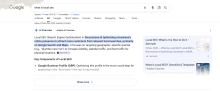
Instead of clicking a website, they might see:
- A featured snippet explaining it
- An AI-generated summary
- Additional expandable answers
They get what they need instantly and leave the search page.
While this improves the user experience, it reduces the number of clicks businesses receive, even if they appear in those results.
The Impact of AI Overviews and Featured Snippets
AI Overviews (sometimes called AI-generated search results) are one of the biggest changes to search in recent years.
They sit at the very top of the search results and provide:
- A summarised answer
- Key bullet points
- Links to sources
Previously, ranking in position one meant maximum visibility and traffic. Now, even top-ranking pages may sit below an AI-generated answer.
Featured snippets have a similar effect. While they can increase visibility, they don’t always lead to clicks, especially if the snippet fully answers the query.
Visibility vs Traffic: What Really Matters
In traditional SEO, success was measured by how much traffic a website received. However, this is becoming an incomplete picture of performance. Search visibility is now just as important as website visits.
Visibility refers to how often your brand appears across search features, including AI Overviews, featured snippets, local packs, and “People Also Ask” results. Even if users don’t click immediately, your brand is still being seen, recognised, and associated with relevant search queries.
This shift is particularly important in industries where users do not convert on first interaction. In many cases, users will see a brand multiple times across different searches before finally deciding to visit the website directly.
In this context, SEO is no longer just about driving immediate traffic. It is also about building presence, authority, and familiarity over time.
Example:
A user researching “SEO agency for small business” might:
- See your brand in an AI Overview or AI mode
- Continue researching
- Return later and search your business directly
That first impression still matters, even without a click.
Real Examples of Traffic Decline (and Why it Happens)
To understand this shift more clearly, it helps to look at how it appears in real scenarios.
Informational Blog Content
One common example involves informational blog content. A business may rank highly for a keyword such as “how much does SEO cost”. Previously, this would have generated a steady flow of traffic. However, with the introduction of AI Overviews, Google may now display a direct answer at the top of the page. The user receives the information instantly and never clicks through, even though the website is still ranking in a strong position.
Localised Search Results
Local search behaves differently but follows a similar pattern. A business ranking for “plumber near me” may still appear prominently in search results, but users are now more likely to call directly from the map pack or view reviews without visiting the website. In this case, conversions may still happen, but website traffic decreases.
E-commerce and Product-Based Searches
E-commerce websites are also affected. Product listings, reviews, and price comparisons are increasingly displayed directly in search results. Users often make decisions based on this information alone, reducing the need to browse multiple websites.
In all of these cases, visibility remains strong, but user behaviour has shifted away from traditional clicking patterns.
What This Means for Your SEO Strategy
These changes do not mean SEO is becoming less important. Instead, they highlight the need for a more modern approach that reflects how search is actually working today.
Search engines are now prioritising content that is well-structured, authoritative, and easy to interpret. Increasingly, this is no longer just about ranking in traditional organic positions, but about how content is displayed across the wider search results page, including AI-generated answers, featured snippets, and other enhanced search features.
This shift means it is no longer enough to simply appear on page one. Businesses now need to think more carefully about how their content is surfaced within search, because visibility is increasingly shaped by multiple elements beyond traditional listings.
This includes ensuring content is clearly structured, aligned with user intent, and demonstrates strong expertise and trust signals. Ultimately, success is no longer defined purely by website traffic, but by overall visibility within search and how often your content is being surfaced or referenced across different search features.
Final Thoughts
A decline in website traffic can be concerning, especially when SEO appears to be working as expected. However, in many cases, it is not a sign of poor performance, but rather a reflection of how search has evolved.
AI-generated answers, zero-click searches, and new SERP features are all reshaping how users interact with information online. While this has reduced the number of clicks in many industries, it has also created new opportunities for visibility and brand exposure.
SEO is not becoming less relevant, it is simply changing. Businesses that adapt their strategy to focus on visibility, authority, and structured content will be better positioned for long-term success.
If you’ve noticed changes in your website traffic or want to understand how your business is performing in today’s search landscape, it may be worth reviewing your current SEO strategy. At Fandango Digital, we help businesses adapt to these changes by improving visibility across both traditional search results and emerging AI-driven features.
Get in touch with our team today to find out how we can help improve your search performance and ensure your business is still being seen where it matters most.

